

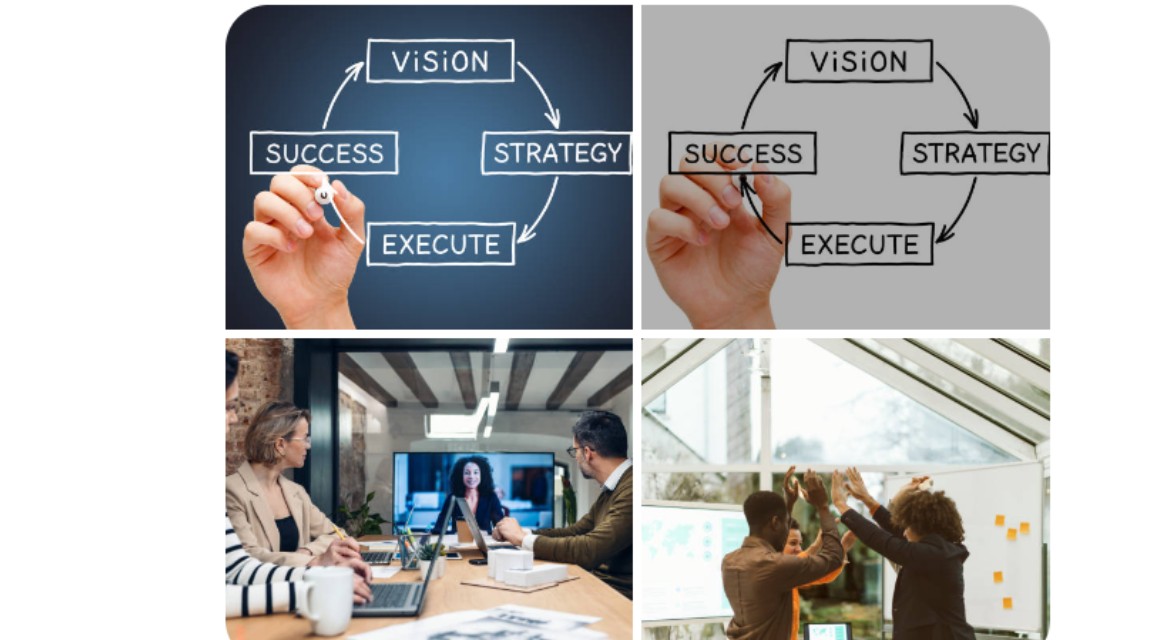
Strategy Implementation and Execution Training Course

Strategy Implementation and Execution Training Course

This essential training course is meticulously designed to equip participants with the practical skills and strategic frameworks necessary to translate formulated strategies into effective action and achieve desired organizational outcomes. While strategy formulation sets the direction, successful execution is where real value is created, and it requires a distinct set of leadership capabilities and systematic processes.

The course will cover a wide array of crucial topics, including understanding the critical link between strategy formulation and execution, designing an effective implementation framework, cultivating an execution-focused organizational culture, mastering the art of leading strategic change and overcoming inherent resistance, strategically aligning and allocating vital resources for successful execution, developing robust performance measurement systems and continuously monitoring strategic progress, utilizing strategic communication to drive and reinforce execution, establishing clear accountability and reinforcing desired strategic behaviors, effectively managing risks and adapting plans during implementation, and finally, building capabilities for sustaining execution excellence and fostering a culture of continuous improvement.

Who Should Attend the Training

  • Senior Leaders and Executives
  • Strategic Planners and Analysts
  • Project and Program Managers
  • Department and Division Heads
  • Operations Managers
  • Change Management Professionals
  • Anyone responsible for putting strategy into action

Objectives of the Training

Upon completion of this training, participants will be able to:

  • Articulate the critical differences and interdependencies between strategy formulation and execution.
  • Design a comprehensive and actionable implementation framework for strategic initiatives.
  • Identify and foster key elements of an execution-focused organizational culture.
  • Apply effective strategies for leading strategic change and mitigating resistance.
  • Align and allocate resources (financial, human, technological) effectively to support execution.
  • Develop robust performance measurement systems and monitor strategic progress using KPIs.
  • Utilize strategic communication to drive buy-in, clarity, and accountability for execution.
  • Establish clear accountability structures and reinforce behaviors critical for strategic success.
  • Proactively manage risks and adapt implementation plans in dynamic environments.
  • Implement practices for sustaining execution excellence and fostering continuous improvement.

Personal Benefits

  • Enhanced ability to translate strategic plans into tangible results.
  • Improved project management and change leadership skills.
  • Greater confidence in overcoming implementation challenges.
  • Development of practical tools and frameworks for execution.
  • Increased strategic value and impact within their organization.

Organizational Benefits

  • Higher success rate in achieving strategic objectives.
  • More efficient and effective deployment of resources.
  • Improved organizational alignment and cross-functional collaboration.
  • Faster realization of benefits from strategic initiatives.
  • A culture of accountability and results orientation.
  • Enhanced adaptability and responsiveness to market demands.

Training Methodology

  • The training will adopt a highly interactive and practical methodology, incorporating:
  • Case studies of successful and challenging strategy implementations
  • Hands-on workshops for developing implementation plans and tracking systems
  • Group exercises for problem-solving execution roadblocks
  • Role-playing scenarios for leading change conversations
  • Tools and templates for strategic initiative management
  • Expert insights and facilitated discussions on best practices

Trainer Experience

Our trainers are seasoned strategic execution consultants and experienced change leaders with a proven track record of guiding organizations through complex strategic implementations. They bring a wealth of practical knowledge in project management, organizational design, and performance management, ensuring participants gain profound theoretical understanding combined with actionable skills for effective strategy execution.

Quality Statement

We are committed to delivering high-quality training programs that provide tangible, transformative results. Our courses are meticulously designed, continually updated with the latest research and best practices in strategy implementation, and delivered by expert practitioners to ensure participants acquire relevant, effective skills and knowledge.

Tailor-made courses

We recognize that every organization has unique strategic implementation challenges, existing processes, and cultural dynamics. We offer customized training solutions that can be specifically tailored to your industry, specific strategic initiatives, current organizational structures, and desired execution capabilities. Please contact us to discuss how we can design a bespoke program that aligns perfectly with your requirements.


Course Duration: 5 days

Training fee: USD 1300

Module 1: The Critical Link: From Strategy to Execution

  • Understanding the “strategy-execution gap” and why it occurs
  • The importance of execution for realizing strategic value
  • Key differences between strategy formulation and implementation
  • The roles of leadership at various levels in execution
  • Best practices of organizations renowned for strong execution
  • Practical session: Analyzing a case study of a strategy that failed due to poor execution and identifying contributing factors

Module 2: Designing an Effective Implementation Framework

  • Breaking down strategy into actionable components (goals, initiatives, projects)
  • Developing a clear implementation roadmap and timeline
  • Establishing governance structures for strategic initiatives
  • Linking strategy to operational plans and daily activities
  • The role of an “Office of Strategy Management” or similar function
  • Practical session: Developing an initial implementation roadmap for a small strategic initiative

Module 3: Building an Execution-Focused Culture

  • Characteristics of an execution-driven culture (e.g., accountability, bias for action, collaboration)
  • Identifying cultural barriers to effective execution
  • Strategies for shaping values and behaviors that support implementation
  • Leadership’s role in modeling an execution mindset
  • Empowering employees for strategic delivery
  • Practical session: Brainstorming cultural elements that hinder or support execution in an organization

Module 4: Leading Strategic Change and Overcoming Resistance

  • Understanding the human side of strategic change
  • Identifying sources and types of resistance to change
  • Communication strategies for building buy-in and commitment
  • Engaging key stakeholders throughout the implementation process
  • Change management models and tools (e.g., Kotter’s 8 Steps)
  • Practical session: Developing a stakeholder engagement plan for a strategic change initiative

Module 5: Resource Alignment and Allocation for Execution

  • Ensuring financial resources are aligned with strategic priorities
  • Optimizing human capital for execution: talent, skills, capacity
  • Allocating technological resources and infrastructure
  • Managing interdependencies and potential resource conflicts
  • The role of budgeting and financial planning in execution
  • Practical session: Prioritizing resource allocation for competing strategic initiatives

Module 6: Performance Measurement and Monitoring Strategic Progress

  • Developing key performance indicators (KPIs) for strategic goals
  • Designing dashboards and reporting systems for tracking progress
  • Establishing regular review cycles (e.g., monthly, quarterly)
  • Identifying early warning signals for off-track initiatives
  • Using data to drive informed adjustments during execution
  • Practical session: Developing a simple dashboard with 3-5 KPIs for a strategic objective

Module 7: Strategic Communication for Driving Execution

  • Communicating the “what,” “why,” and “how” of execution
  • Tailoring communication to different audiences and levels
  • Building a compelling narrative around execution progress
  • Using various channels to reinforce strategic messages
  • Celebrating milestones and communicating successes
  • Practical session: Drafting a communication update on strategic progress for a leadership team

Module 8: Accountability and Reinforcing Strategic Behaviors

  • Establishing clear lines of accountability for strategic outcomes
  • Developing performance agreements and targets related to strategy
  • Implementing feedback mechanisms and coaching for execution
  • Recognizing and rewarding behaviors that drive successful implementation
  • Addressing underperformance and barriers to accountability
  • Practical session: Designing an accountability framework for a specific strategic role or initiative

Module 9: Managing Risks and Adapting During Implementation

  • Identifying potential risks to execution (e.g., market changes, competitor actions, internal challenges)
  • Developing contingency plans and mitigation strategies
  • The importance of flexibility and iteration in execution
  • Learning from unexpected outcomes and adapting plans quickly
  • The role of leadership in navigating unforeseen obstacles
  • Practical session: Brainstorming potential roadblocks for an implementation plan and developing contingency actions

Module 10: Sustaining Execution Excellence and Continuous Improvement

  • Building a culture of continuous improvement in execution
  • Conducting post-implementation reviews and lessons learned sessions
  • Integrating execution insights back into strategy formulation
  • Fostering organizational learning and knowledge sharing
  • Leadership’s role in champions and embedding execution discipline long-term
  • Practical session: Developing a plan for a “lessons learned” session after a completed strategic initiative

Requirements:

·       Participants should be reasonably proficient in English.

·       Applicants must live up to Armstrong Global Institute admission criteria.

Terms and Conditions

1. Discounts: Organizations sponsoring Four Participants will have the 5th attend Free

2. What is catered for by the Course Fees: Fees cater for all requirements for the training – Learning materials, Lunches, Teas, Snacks and Certification. All participants will additionally cater for their travel and accommodation expenses, visa application, insurance, and other personal expenses.

3. Certificate Awarded: Participants are awarded Certificates of Participation at the end of the training.

4. The program content shown here is for guidance purposes only. Our continuous course improvement process may lead to changes in topics and course structure.

5. Approval of Course: Our Programs are NITA Approved. Participating organizations can therefore claim reimbursement on fees paid in accordance with NITA Rules.

Booking for Training

Simply send an email to the Training Officer on training@armstrongglobalinstitute.com and we will send you a registration form. We advise you to book early to avoid missing a seat to this training.

Or call us on +254720272325 / +254725012095 / +254724452588

Payment Options

We provide 3 payment options, choose one for your convenience, and kindly make payments at least 5 days before the Training start date to reserve your seat:

1. Groups of 5 People and Above – Cheque Payments to: Armstrong Global Training & Development Center Limited should be paid in advance, 5 days to the training.

2. Invoice: We can send a bill directly to you or your company.

3. Deposit directly into Bank Account (Account details provided upon request)

Cancellation Policy

1. Payment for all courses includes a registration fee, which is non-refundable, and equals 15% of the total sum of the course fee.

2. Participants may cancel attendance 14 days or more prior to the training commencement date.

3. No refunds will be made 14 days or less before the training commencement date. However, participants who are unable to attend may opt to attend a similar training course at a later date or send a substitute participant provided the participation criteria have been met.

Tailor Made Courses

This training course can also be customized for your institution upon request for a minimum of 5 participants. You can have it conducted at our Training Centre or at a convenient location. For further inquiries, please contact us on Tel: +254720272325 / +254725012095 / +254724452588 or Email training@armstrongglobalinstitute.com

Accommodation and Airport Transfer

Accommodation and Airport Transfer is arranged upon request and at extra cost. For reservations contact the Training Officer on Email: training@armstrongglobalinstitute.com or on Tel: +254720272325 / +254725012095 / +254724452588


Instructor-led Training Schedule

Course Dates Venue Fees Enroll
Armstrong Global Institute

Armstrong Global Institute
Typically replies in minutes

Armstrong Global Institute
Hi there 👋

We are online on WhatsApp to answer your questions.
Ask us anything!
×
Chat with Us